How To Use Dishwasher Tablets
Find the answers to some of your most frequently asked questions surround how to use dishwasher tablets and how dishwasher tablets really work to keep your items clean.


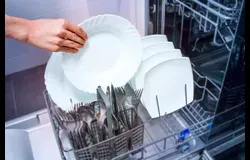
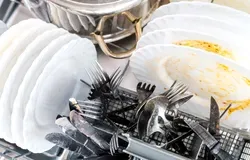
Believe it or not, it’s a myth that you need to rinse dishes before putting in them in the dishwasher. Although you should always scrape off any remaining food, rinsing your dishes before the dishwasher will only waste valuable water and increase your bills.
An overloaded dishwasher can cause damage to dishes: they might rattle against each other and cause scratches or even stress fractures. Plus, overcrowding can disrupt the flow of the water and detergent, leaving you with less-than-clean dishes.
The hottest part of your dishwasher is at the bottom, where the heating element is positioned. You should always keep your dishwasher-safe plastics on the top rack to prevent them from warping. Learn more about what plastic can go in your dishwasher so you can avoid damaging your best meal-prep and potluck-ready containers.
If you’re cleaning baking sheets, casserole dishes or items with baked on food or other stubborn residue, make sure you place them face down, so the spray arms can effectively clean with fullest available pressure.
Load your forks and spoons handle down to make sure the dirtiest parts get cleaned the most thoroughly. For knives, however, you’re going to want to load them blade down, handle up to prevent accidental cuts when you unload them.
Place cutting boards and platters towards the sides and back of the dishwasher to prevent them from disrupting the flow of water and detergent.
Most aluminium or stainless steel pots and pans can go in the bottom rack of the dishwasher, but be sure to double check the manufacturer’s advice before loading.
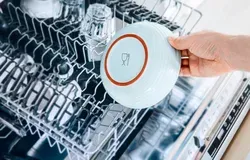
The top rack of your dishwasher is designed to clean cups, glasses and mugs. Place them upside down in the top rack. This may seem obvious, but we all get distracted sometimes and nothing's as irritating as trying to get a full glass out of the machine without spilling all over your clean dishes. When placed correctly, the water and detergent can effectively clean inside your glasses and mugs.